Egg Incubation Podcasts, Guides, and Troubleshooting Help
Whether you are preparing for your first hatch or trying to understand disappointing results, start with the free lessons below. Learn what affects hatch timing, humidity, pipping, shipped eggs, and incubator performance—then choose the species-specific Masterclass when you want the complete process organized in one place.
Start Here: Understand What Happens Inside the Egg
An egg is a remarkable, self-contained environment designed to grow a healthy embryo. It supplies moisture, proteins, fats, and protection, while pores in the shell allow oxygen to reach the developing chick.
Our job is not to micromanage the egg. It is to maintain stable conditions that support its natural system.
Start with the free incubation lessons below.
Planning Your First Hatch: Incubator, Temperature, and Humidity Basics
What Should a Good Incubator Do?
A good incubator should hold eggs upright and gently rock them from side to side. It should maintain a steady temperature of 99.5°F, provide ventilation, and be capable of maintaining stable humidity.
Consistency and accurate readings matter more than fancy features.
Supporting the Egg from Day 0 to Hatch Day
Turning is important from Day 0. It helps keep the embryo properly positioned and growing normally, while supporting the development of the membranes around it.
As hatch day approaches, place a piece of non-slip shelf liner on the incubator floor so newly hatched feet have a secure surface to grip.
Once lockdown begins, keep the incubator closed until the hatch is complete. Opening it releases heat and humidity at the time the remaining eggs need stable conditions most.
Hatching Shipped Eggs: What You Need to Do Differently
Shipped eggs require special handling because transportation can damage or displace their air cells. Incubate them upright and avoid unnecessary handling during development.
Candle the eggs at lockdown to check development and set realistic expectations for the hatch. If an egg has a displaced air cell, upright hatching can be a useful tool to help the chick remain properly oriented.
Dry Hatching and Exploding Eggs: What You Actually Need to Know
Dry hatching simply means incubating without adding water and allowing the humidity in the surrounding air to provide what the eggs need. It does not work in every environment—or during every season—because ambient humidity changes.
Exploding eggs are far less common than social media may make them appear. Starting with clean, intact eggs with no cracks greatly reduces the risk.

Jennifer Bryant, cohost of the Poultry Nerds Podcast
The Poultry Nerds Podcast is where we discuss incubation. Bryant's Roost is where Jennifer expands those conversations into detailed articles, tutorials, and research-based guides. If you're looking for step-by-step incubation information, continue your learning in the Bryant's Roost Knowledge Base.
Continue Reading → Bryant's Roost Incubation
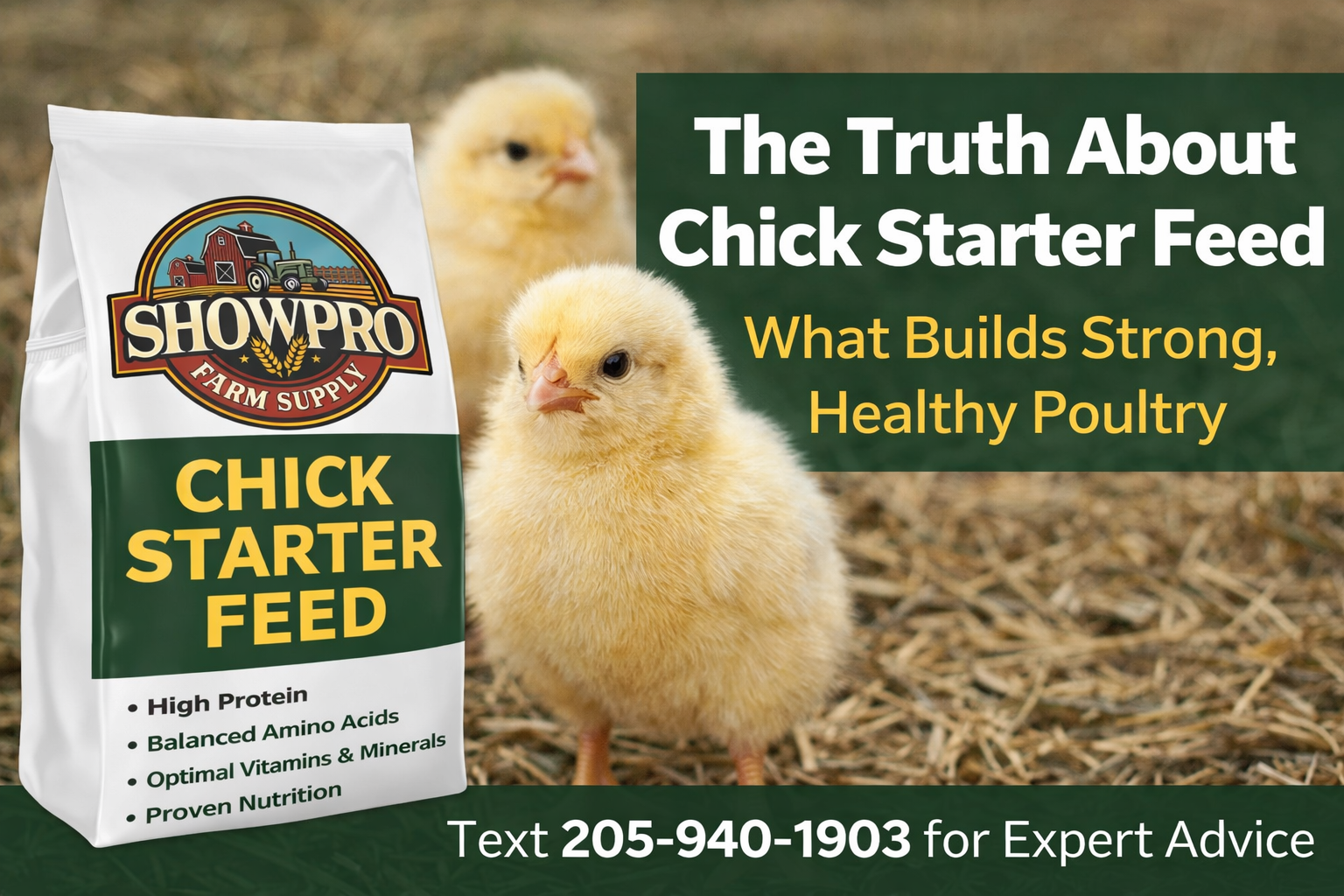
The Truth About Chick Starter Feed (And Why Most People Get It Wrong)
Just Hatched Chicks? Nutrition during the first few days is just as important as successful incubation. Read Carey's guide, The Truth About Chick Starter Feed (And Why Most People Get It Wrong), to learn how proper nutrition sets your chicks up for long-term health and growth.